SCENE 00

Casino Scenes That Define the Movies

Casino scenes are more than backdrops; they are pressure cookers for character, tension, and theme. This page examines how filmmakers use poker tables, roulette wheels, and casino floors to reveal what characters risk beyond money. The page is organised into eight thematic categories, each with a representative film scene. Every analysis separates verified FACT from editorial ANALYSIS. The focus is on cinematic storytelling, not gambling instruction.

SCENE 01

The Poker Table as a Stage for Truth
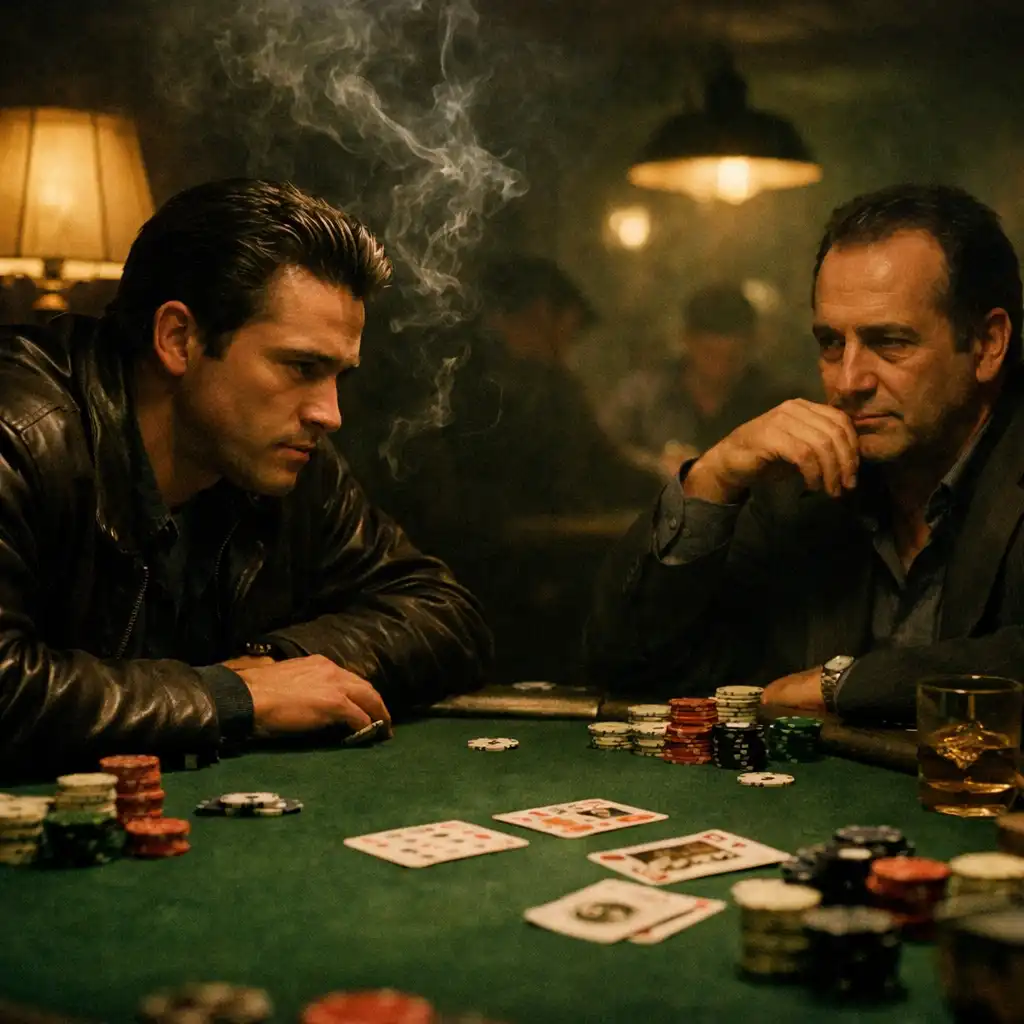
Dimly lit poker table with players in intense concentration, chips and cards visible
Rounders (1998) uses the poker table to test instinct and trust.
FACT

Rounders was released in 1998 and directed by John Dahl. Casino Royale was released in 2006 and directed by Martin Campbell. The Cincinnati Kid was released in 1965 and directed by Norman Jewison.

ANALYSIS

Poker scenes compress character revelation into a single table. The camera lingers on faces, chips, and cards, turning the game into a psychological duel where the stakes are emotional as much as financial. Rounders uses poker as a metaphor for reading people and trusting instinct. Casino Royale turns a high-stakes poker game into a battle of wills between Bond and Le Chiffre. The Cincinnati Kid explores pride and hubris through a single poker match.
SCENE 02

The Wheel as a Symbol of Fate

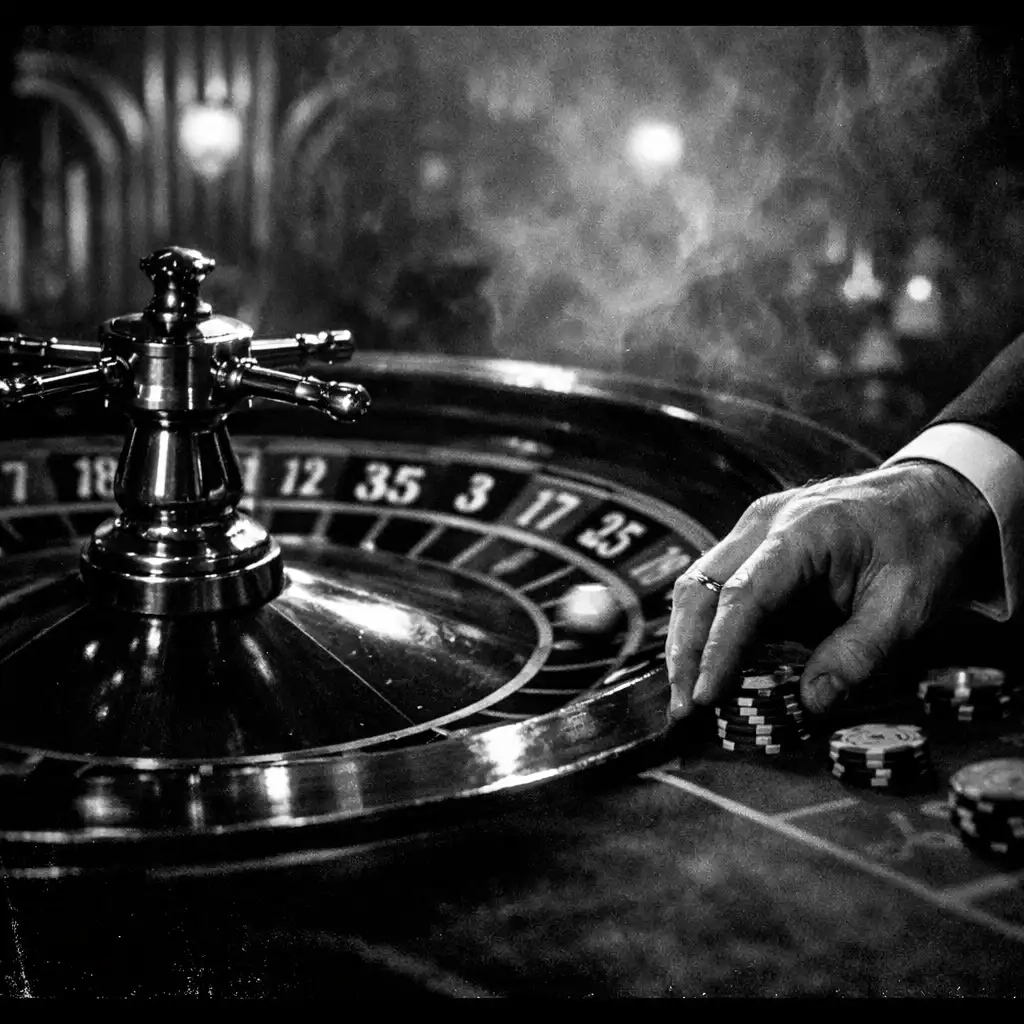
Black-and-white roulette wheel spinning with a hand placing a bet in a smoky casino
Casablanca (1942) turns roulette into a moment of moral choice for Rick.
FACT

Casablanca was released in 1942 and directed by Michael Curtiz. Run Lola Run was released in 1998 and directed by Tom Tykwer. The Gambler was released in 1974 and directed by Karel Reisz.

ANALYSIS

Roulette scenes often mark a turning point where characters surrender to chance. The spinning wheel becomes a visual metaphor for life's unpredictability, and the ball's final resting place can seal a character's destiny. Casablanca uses roulette as a moment of moral choice for Rick. Run Lola Run employs a roulette scene as a pivotal plot twist. The Gambler explores addiction through a roulette table.

SCENE 03

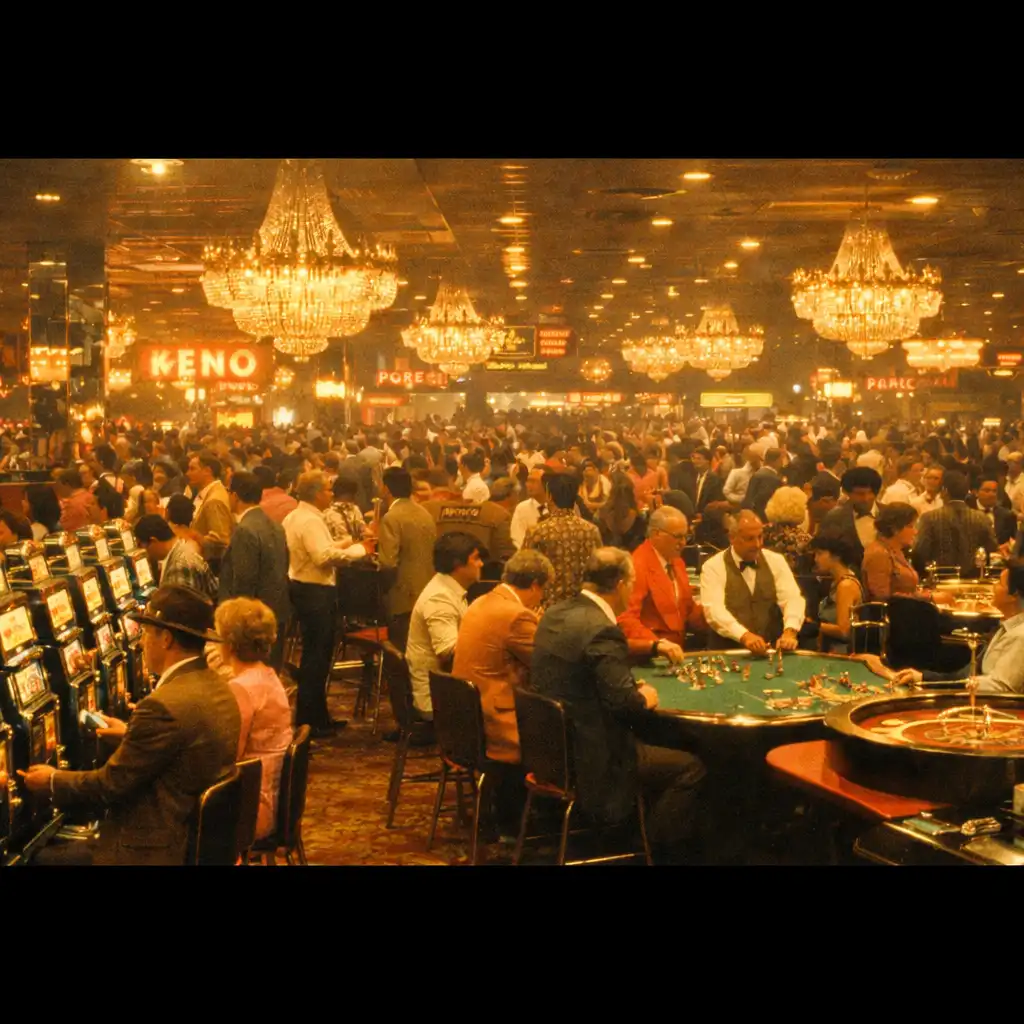
The Floor as a World of Excess

Wide establishing shot of a 1970s casino floor with slot machines, tables, and chandeliers
Casino (1995) opens with a sweeping shot of the Tangiers casino floor.
FACT

Casino was released in 1995 and directed by Martin Scorsese. Ocean's Eleven was released in 2001 and directed by Steven Soderbergh. The Cooler was released in 2003 and directed by Wayne Kramer.

ANALYSIS

Casino floor scenes often use wide shots and layered sound design to immerse the viewer in a world of sensory overload. The endless rows of slot machines and gaming tables suggest both opportunity and entrapment. Casino opens with a sweeping shot of the Tangiers casino floor, establishing the film's epic scope. Ocean's Eleven uses the Bellagio floor to showcase the heist's target. The Cooler contrasts the glamour of the floor with the desperation of its characters.

SCENE 04

The Heist as a Precision Machine

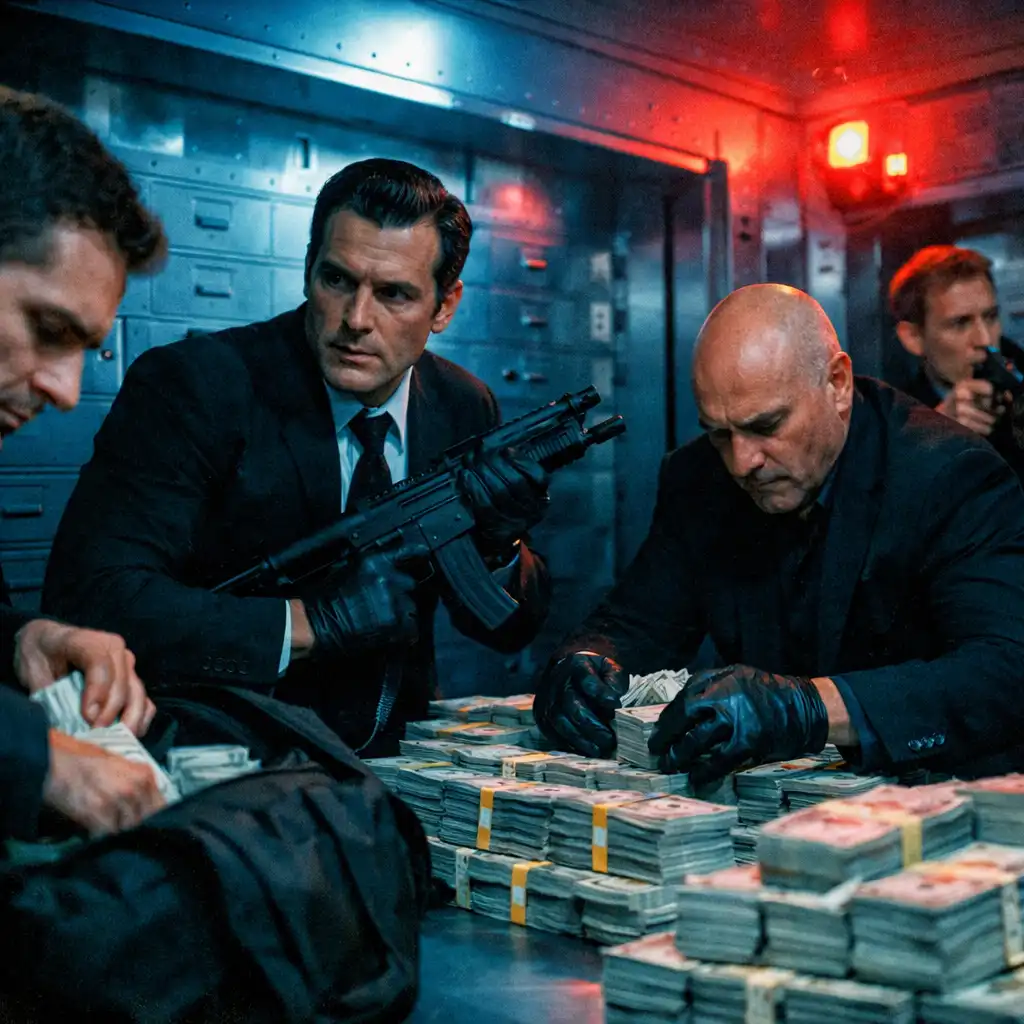
Men in black suits inside a high-tech vault surrounded by cash with red alarm lights
Ocean's Eleven (2001) builds tension through the Bellagio vault heist's intricate timing.
FACT

Ocean's Eleven was released in 2001 and directed by Steven Soderbergh. The Sting was released in 1973 and directed by George Roy Hill. Logan Lucky was released in 2017 and directed by Steven Soderbergh.

ANALYSIS

Casino heist scenes thrive on the contrast between the chaotic casino environment and the meticulous planning of the thieves. The setting's constant surveillance and security measures raise the stakes for every move. Ocean's Eleven builds tension through the Bellagio vault heist's intricate timing. The Sting uses a fake betting parlour to con a mob boss. Logan Lucky subverts the genre with a heist at a NASCAR track's casino.

SCENE 05

The Close-Up as a Pressure Gauge

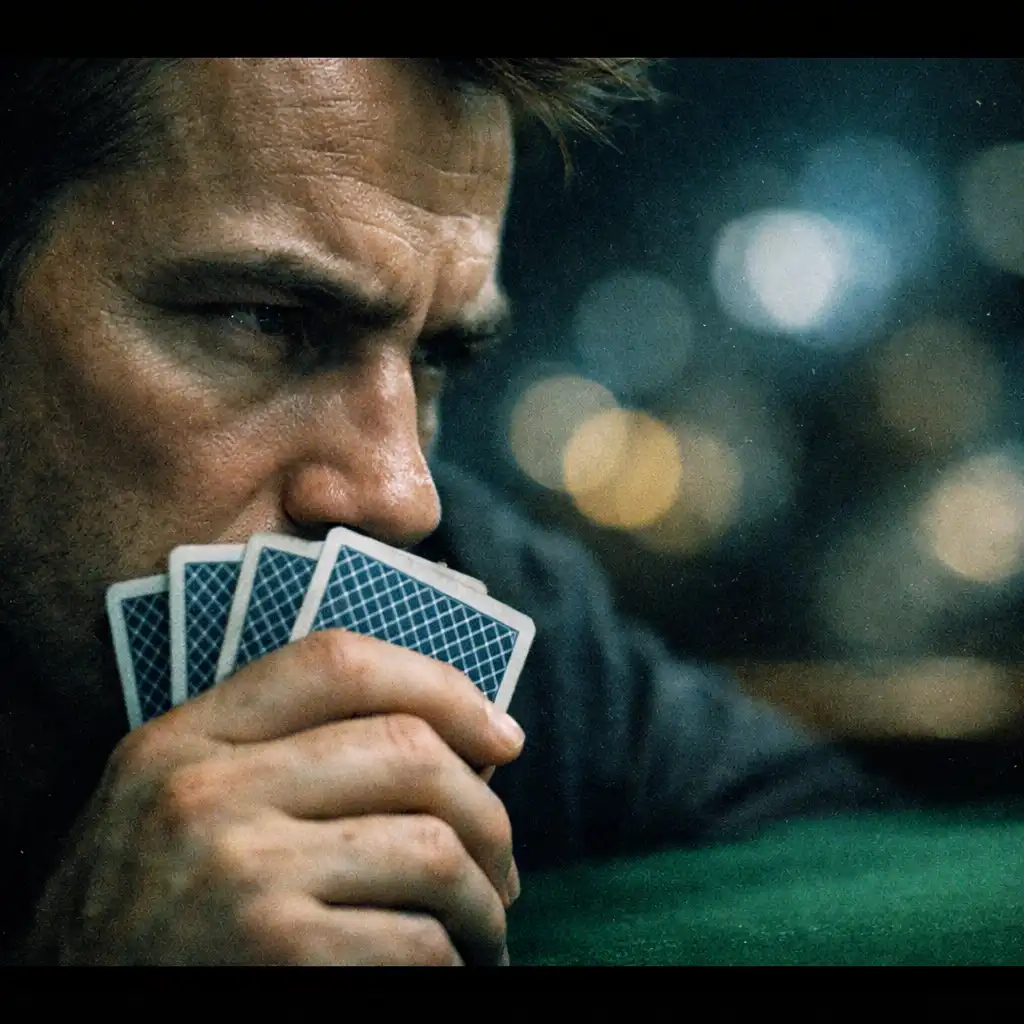
Close-up of a man's face in profile holding cards close to his chest with blurred casino lights
Casino Royale (2006) features a high-stakes poker game with extended close-ups.
FACT

The Sting was released in 1973 and directed by George Roy Hill. Maverick was released in 1994 and directed by Richard Donner. Casino Royale was released in 2006 and directed by Martin Campbell.

ANALYSIS

Tense card game scenes rely on close-ups of hands, eyes, and cards to externalise internal conflict. The editing rhythm often mirrors the characters' rising anxiety, making the audience feel every bet. The Sting uses a poker game on a train to establish the con. Maverick plays card games for comedic tension. Casino Royale features a high-stakes poker game with extended close-ups.

SCENE 06

The Casino as a Moral Battleground

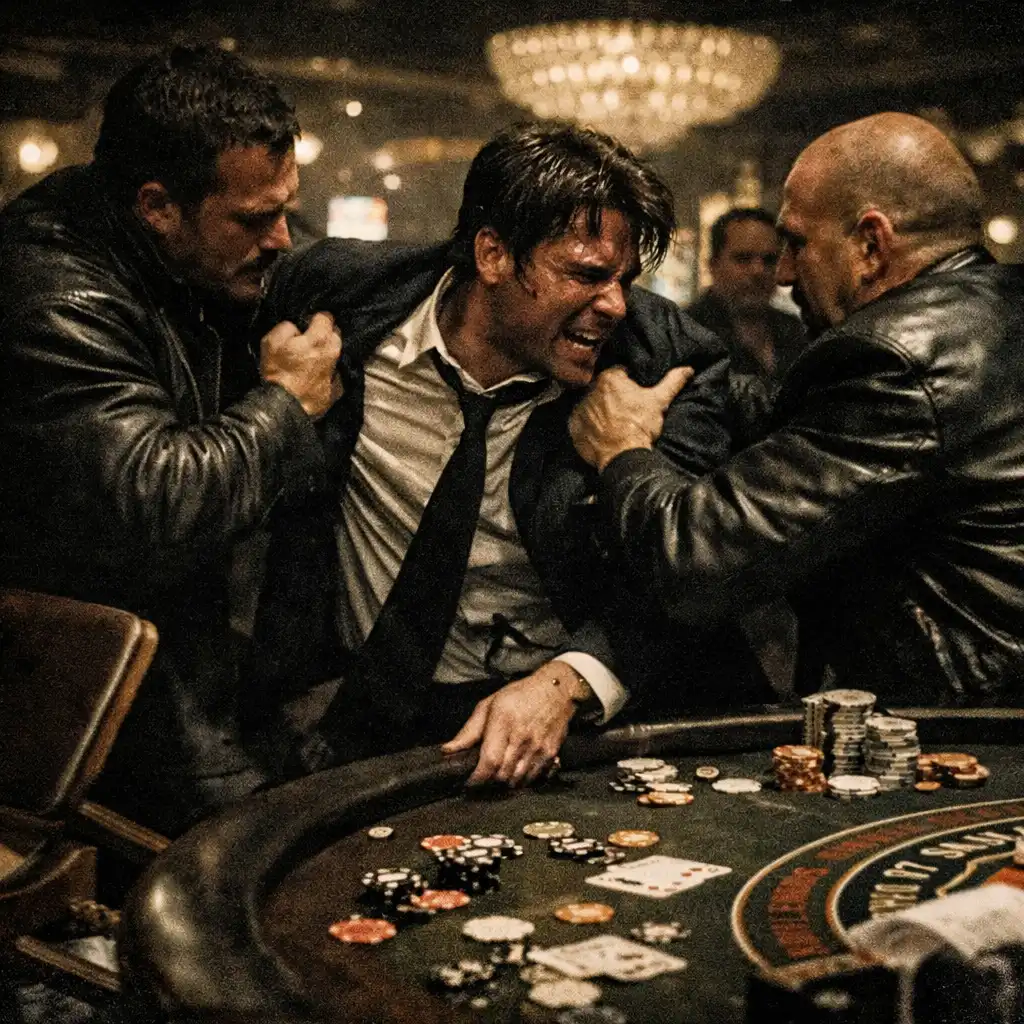
Violent confrontation near a blackjack table with overturned chairs and scattered chips
Casino (1995) depicts the mob's control of Las Vegas casinos.
FACT

Casino was released in 1995 and directed by Martin Scorsese. The Godfather Part II was released in 1974 and directed by Francis Ford Coppola. Layer Cake was released in 2004 and directed by Matthew Vaughn.

ANALYSIS

Crime films use casinos to blur the line between legal and illegal enterprise. The setting's inherent glamour and greed make it a natural arena for corruption, betrayal, and violence. Casino depicts the mob's control of Las Vegas casinos. The Godfather Part II uses a Havana casino to show Michael Corleone's expansion. Layer Cake features a casino as a meeting place for criminals.

SCENE 07

The Hotel as a Gilded Cage

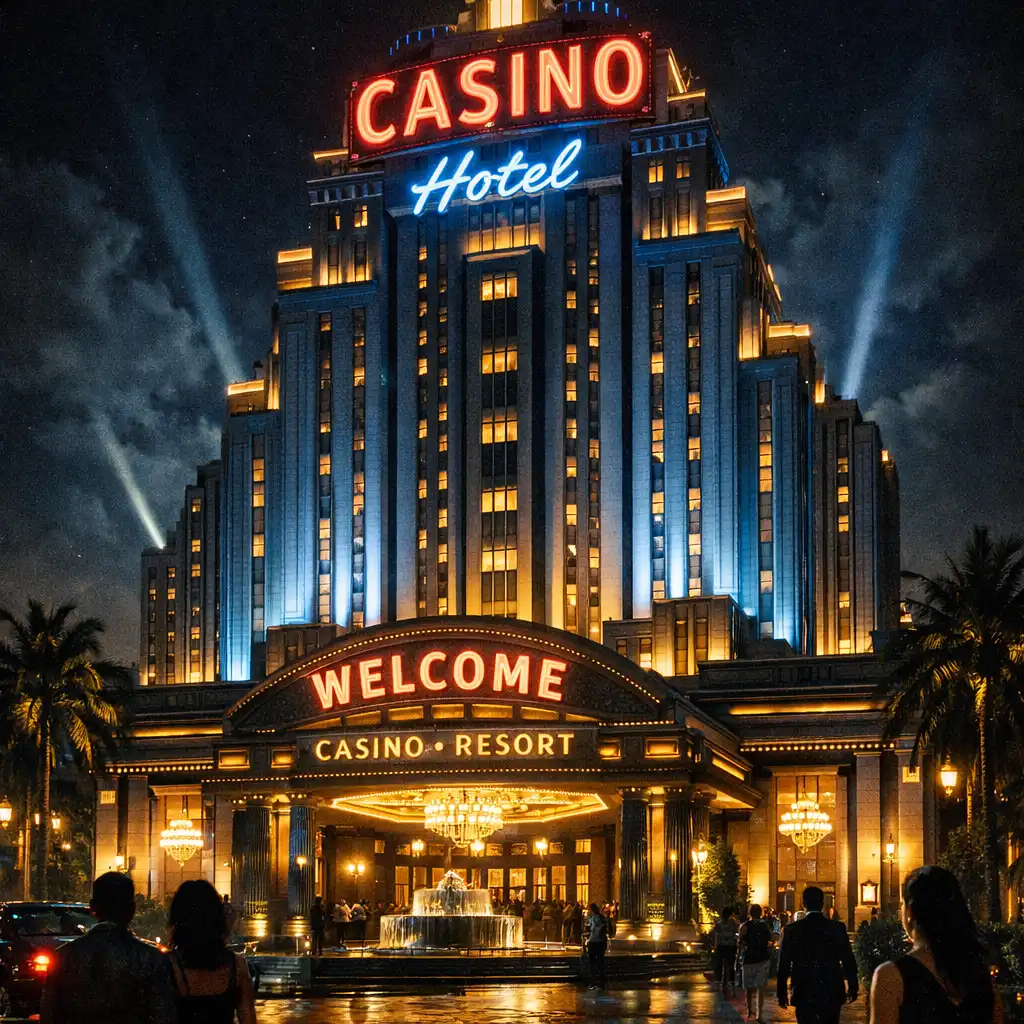
Luxurious casino hotel exterior at night with neon signs and grand entrance
Ocean's Thirteen (2007) focuses on a casino hotel's construction and sabotage.
FACT

Ocean's Thirteen was released in 2007 and directed by Steven Soderbergh. Fear and Loathing in Las Vegas was released in 1998 and directed by Terry Gilliam.

ANALYSIS

Casino hotels are designed to keep guests inside, and filmmakers exploit this to trap characters in a world of luxury and temptation. The architecture itself becomes a character, reflecting the protagonist's entrapment. Ocean's Thirteen focuses on a casino hotel's construction and sabotage. Fear and Loathing in Las Vegas uses hotel rooms as psychedelic prisons.

SCENE 08

The All-In Moment as Narrative Catalyst

Two men facing each other across a poker table in a smoky room with a single overhead lamp
The Cincinnati Kid (1965) ends with a legendary poker showdown.
FACT

Casino Royale was released in 2006 and directed by Martin Campbell. The Cincinnati Kid was released in 1965 and directed by Norman Jewison. Rounders was released in 1998 and directed by John Dahl.

ANALYSIS

High-stakes casino moments often function as the climax of a character's arc, forcing them to risk everything. These scenes crystallise the film's themes and leave a lasting impression on the audience. Casino Royale climaxes with a poker game that determines Bond's fate. The Cincinnati Kid ends with a legendary poker showdown. Rounders features a final poker match that resolves the protagonist's journey.

Common Threads Across Casino Scenes

Across all categories, casino scenes share recurring motifs: the use of close-ups to convey tension, the symbolism of chance versus control, and the casino as a microcosm of society. These patterns reveal why filmmakers return to the setting.

MOTIF 01

Close-Up Tension

Close-ups are used in poker, card games, and high-stakes moments to externalise internal conflict. The camera isolates hands, eyes, and cards to make the audience feel the weight of every decision.

MOTIF 02

Fate and Excess

Roulette and casino floors often symbolise fate and excess. The spinning wheel and the endless rows of tables suggest both the thrill of chance and the trap of overindulgence.

MOTIF 03

Raised Stakes

Heists and crime scenes use the casino's security and corruption to raise stakes. The setting's constant surveillance and moral ambiguity turn every action into a high-risk gamble.

Continue Your Investigation

The evidence board is just the beginning. Explore full reviews, plot guides, and character files to understand how these scenes fit into their films' larger narratives. Read full reviews for films like Casino, Rounders, and Ocean's Eleven. Explore plot guides for detailed scene breakdowns. Meet the characters behind the high-stakes moments.